





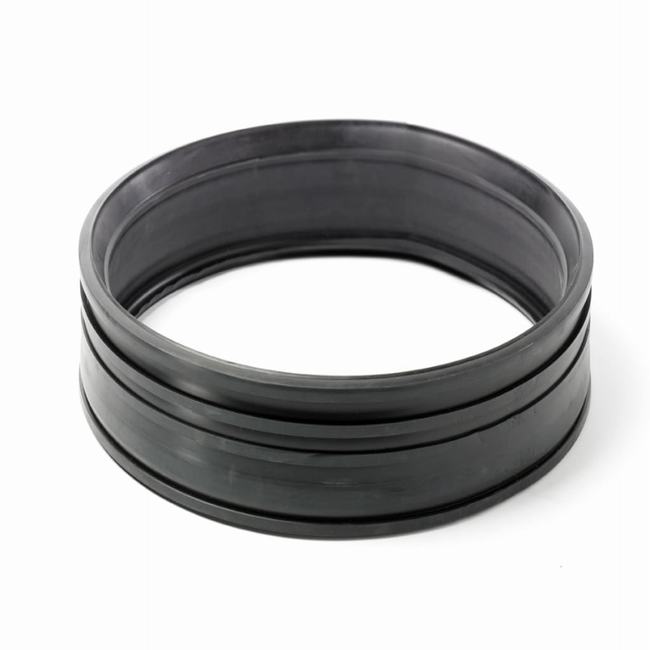


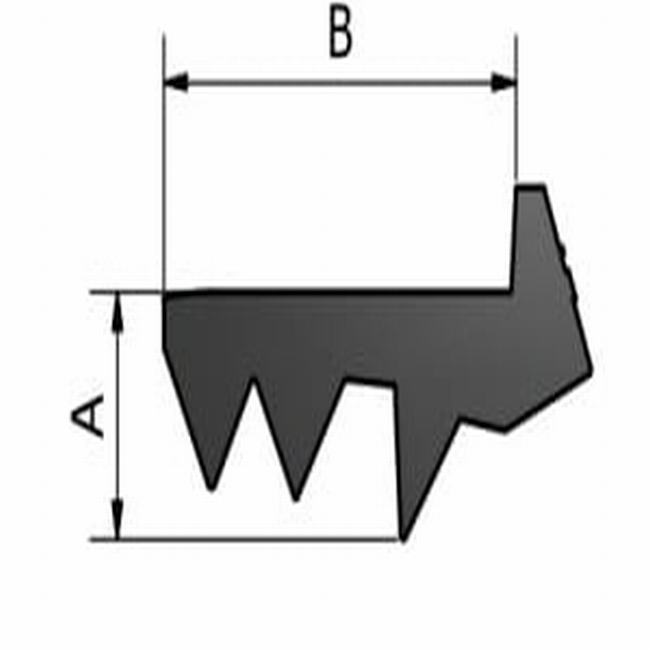
Infrastructure gaskets play a critical role in ensuring the integrity, reliability, and efficiency of various structures and systems within the broader framework of civil engineering and industrial applications.
Infrastructure gaskets play a critical role in ensuring the integrity, reliability, and efficiency of various structures and systems within the broader framework of civil engineering and industrial applications. These specialized components serve as sealing elements designed to prevent leakage, contain fluids, and maintain the overall functionality of interconnected parts and systems.
One of the primary functions of infrastructure gaskets is to create a tight and secure seal between two surfaces, thereby preventing the escape or ingress of gases, liquids, or other substances. This sealing capability is crucial in a wide range of applications, including pipelines, joints, flanges, valves, and other connections where the containment of fluids or gases is essential.
The materials used in manufacturing infrastructure gaskets are carefully selected to meet specific performance requirements based on factors such as temperature, pressure, chemical compatibility, and environmental conditions. Common materials include rubber, elastomers, graphite, PTFE (polytetrafluoroethylene), and metal alloys. Each material possesses unique properties that make it suitable for particular applications, ensuring optimal performance and longevity.
Infrastructure gaskets come in various shapes and sizes, such as flat gaskets, spiral wound gaskets, ring gaskets, and O-rings, among others. The selection of the appropriate gasket type depends on the specific demands of the application, including the level of sealing required, the operating conditions, and the compatibility with surrounding materials.
In industries such as oil and gas, petrochemical, water treatment, and power generation, infrastructure gaskets are indispensable for maintaining the integrity of critical components. For instance, in the oil and gas sector, gaskets are used in pipeline connections and flanges to prevent leaks of hazardous substances, ensuring safety and environmental compliance.
Regular maintenance and replacement of infrastructure gaskets are essential to avoid system failures, leaks, and potential safety hazards. Periodic inspections, adherence to recommended torque values during installation, and monitoring of environmental factors contribute to the longevity and effectiveness of gasket systems.
In summary, infrastructure gaskets are integral components in the vast network of structures and systems that form the backbone of modern civilization. Their role in creating reliable seals, preventing leaks, and ensuring the efficient operation of various applications underscores their significance in maintaining the safety, functionality, and sustainability of critical infrastructure.