



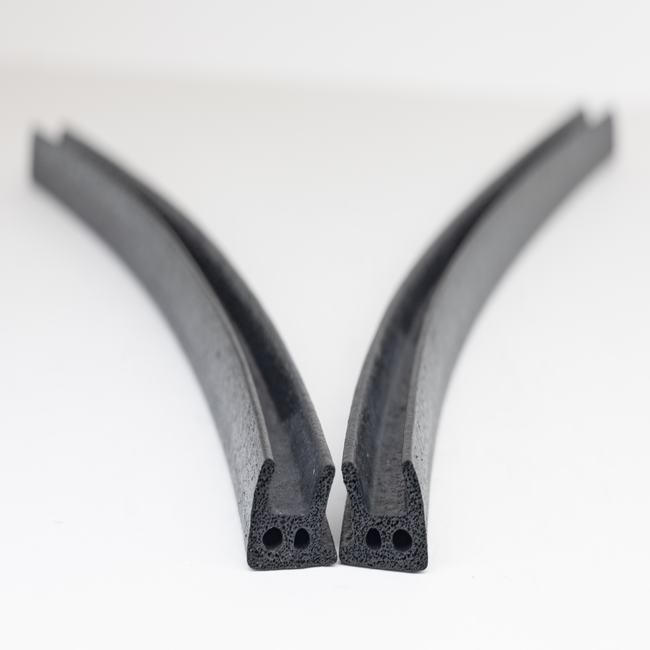
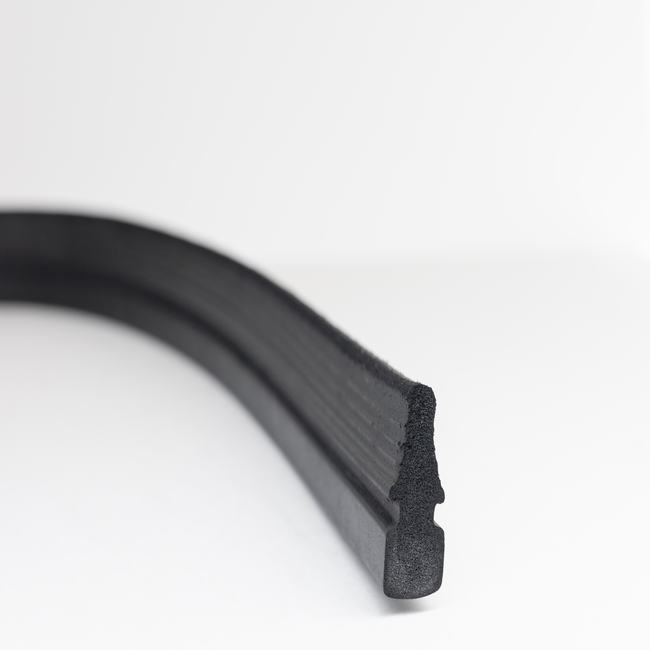
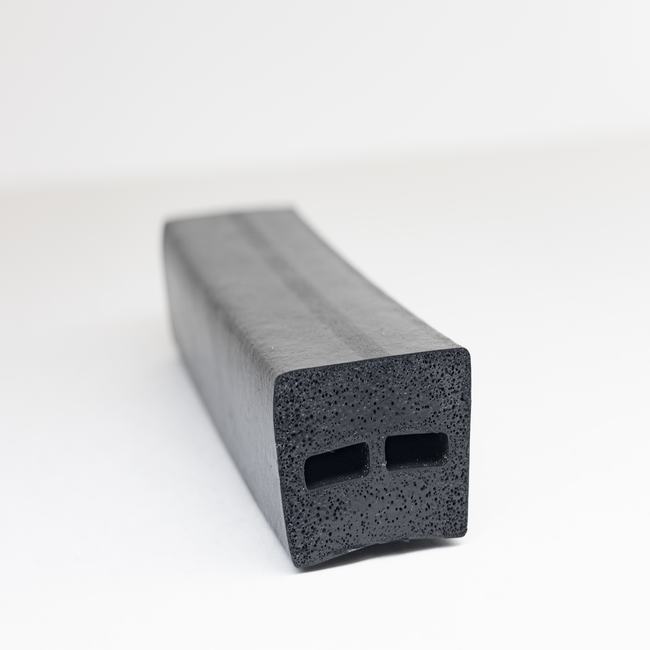
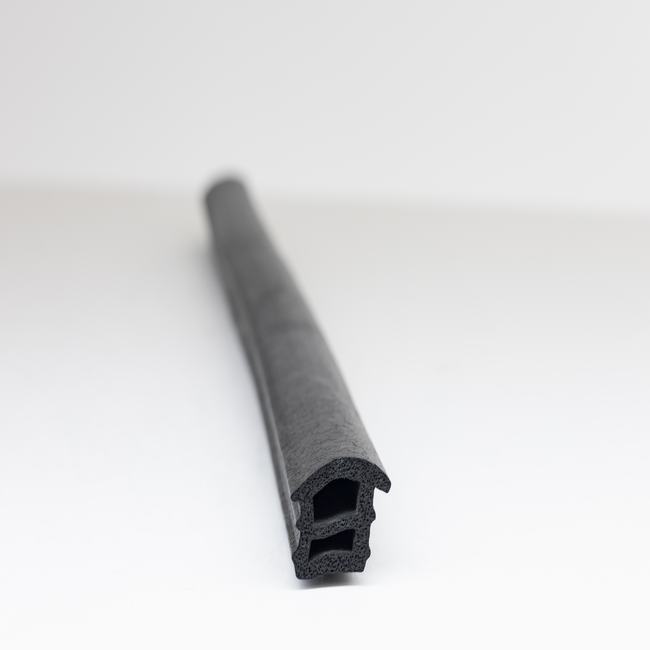
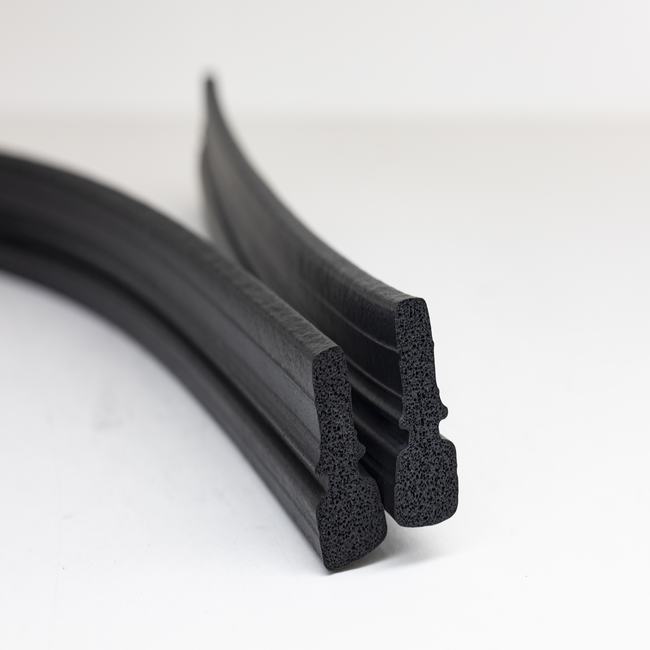
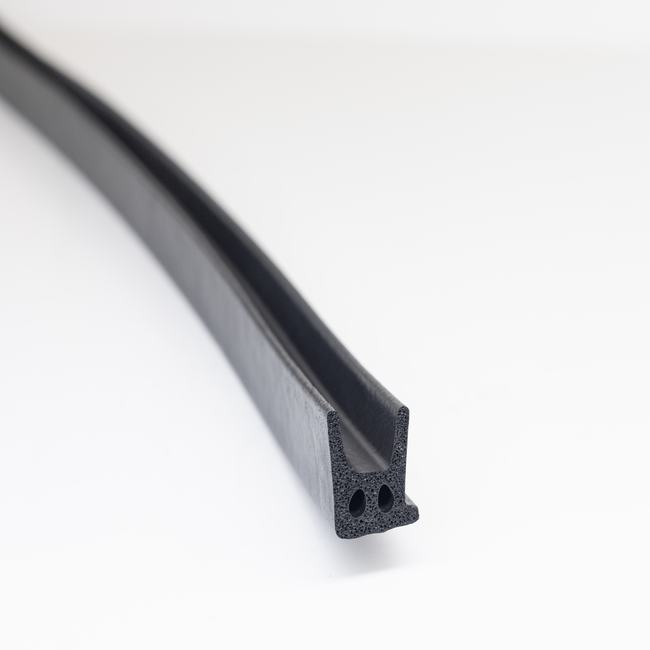
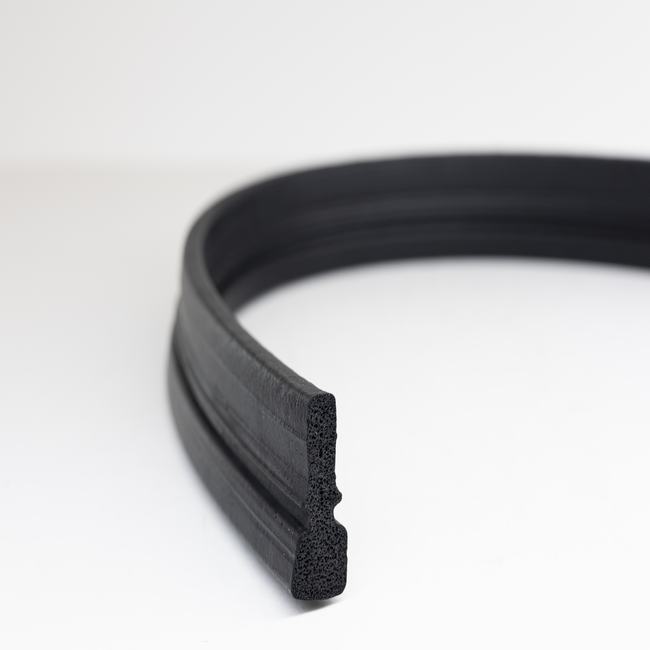
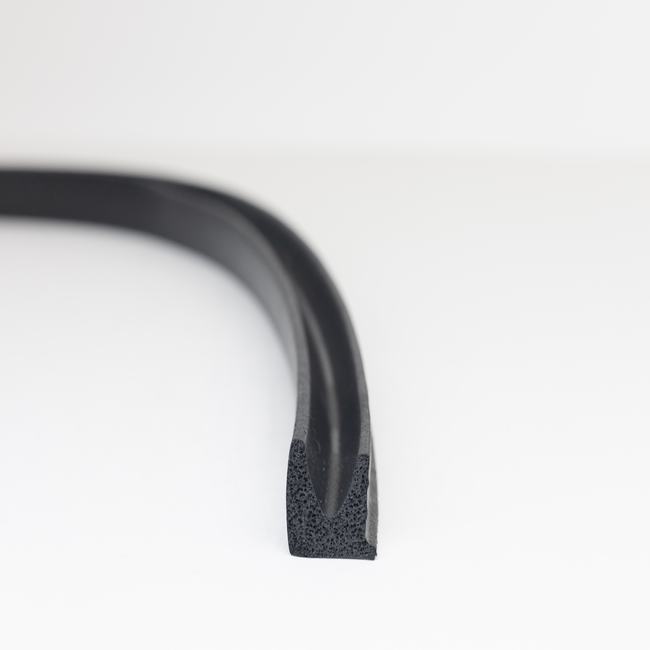
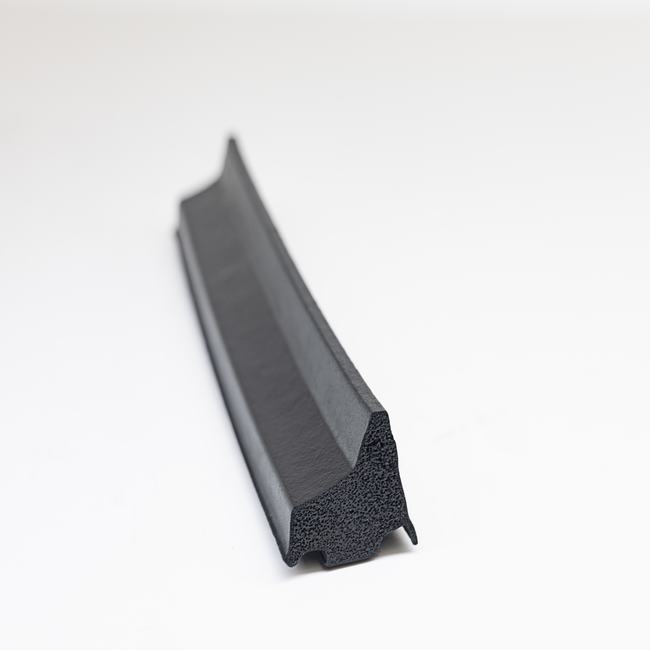
Industrial seals play a crucial role in various sectors, serving as a barrier against the ingress of contaminants and the loss of fluids or gases within machinery and equipment.
Industrial seals play a crucial role in various sectors, serving as a barrier against the ingress of contaminants and the loss of fluids or gases within machinery and equipment. These seals are designed to withstand harsh operating conditions in industrial settings, ensuring the efficient and reliable performance of machinery and preventing environmental pollution.
One of the primary functions of industrial seals is to create a secure and effective barrier between different components of machinery, such as rotating shafts and stationary housings. They come in a variety of designs, including radial shaft seals, axial seals, and rotary seals, each tailored to specific applications and operating conditions. These seals are commonly used in pumps, motors, compressors, gearboxes, and other industrial equipment.
Materials play a crucial role in the effectiveness of industrial seals. Manufacturers often use a range of materials, including rubber, elastomers, plastics, and metals, to create seals with properties that can withstand the demands of specific applications. The choice of material is influenced by factors such as temperature, pressure, chemical exposure, and the type of motion the seal will experience.
Industrial seals also contribute significantly to the overall efficiency of machinery by reducing friction and wear. Properly designed and installed seals help minimize energy losses, extend the lifespan of components, and reduce maintenance requirements. This results in increased operational reliability and cost-effectiveness for industrial processes.
In addition to their mechanical function, industrial seals must adhere to stringent quality and safety standards. Manufacturers invest in research and development to create seals that meet or exceed these standards, ensuring that they can perform reliably in diverse and challenging environments. This includes considerations for factors like temperature extremes, exposure to corrosive substances, and resistance to wear and tear.
Installation and maintenance of industrial seals are critical aspects of their performance. Improper installation can lead to leaks and premature failure, while regular maintenance is essential to monitor wear and replace seals as needed. Proper training and adherence to recommended procedures are crucial to achieving optimal seal performance and maximizing the operational lifespan of industrial equipment.
In conclusion, industrial seals are indispensable components in the machinery and equipment used across various industries. Their role in preventing leaks, reducing friction, and ensuring the efficient operation of industrial processes underscores their significance in maintaining the reliability, safety, and longevity of industrial equipment.