



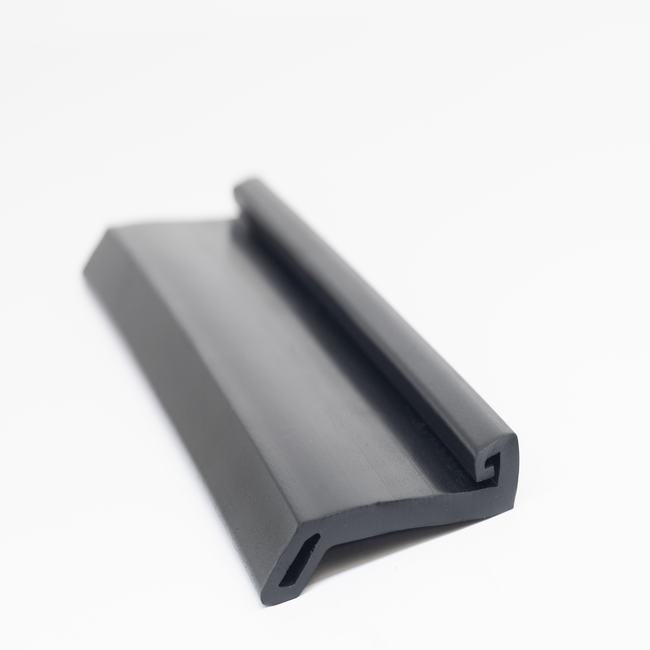
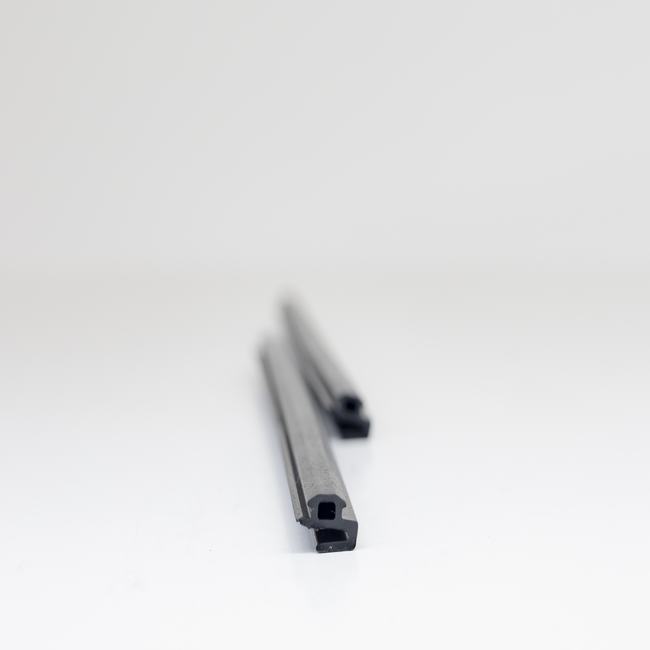
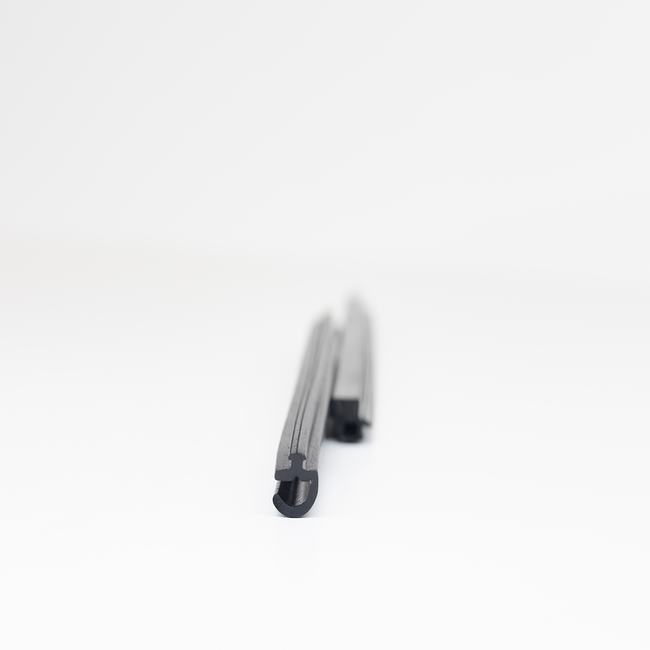
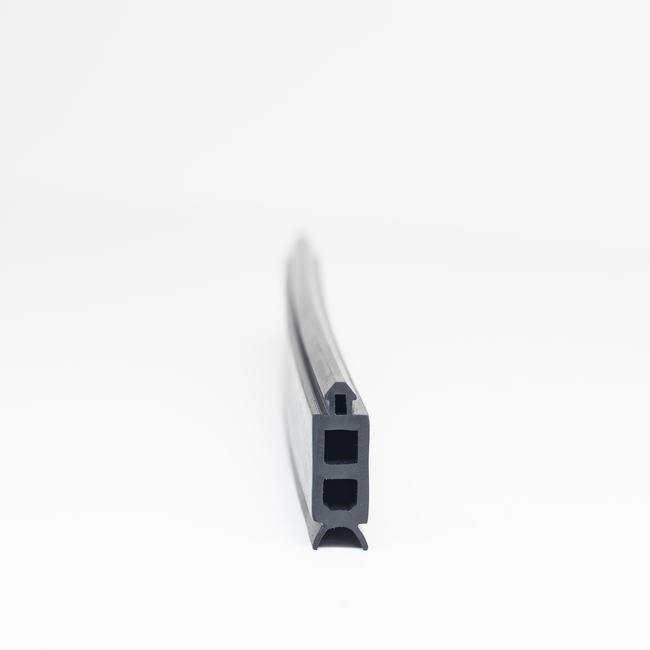
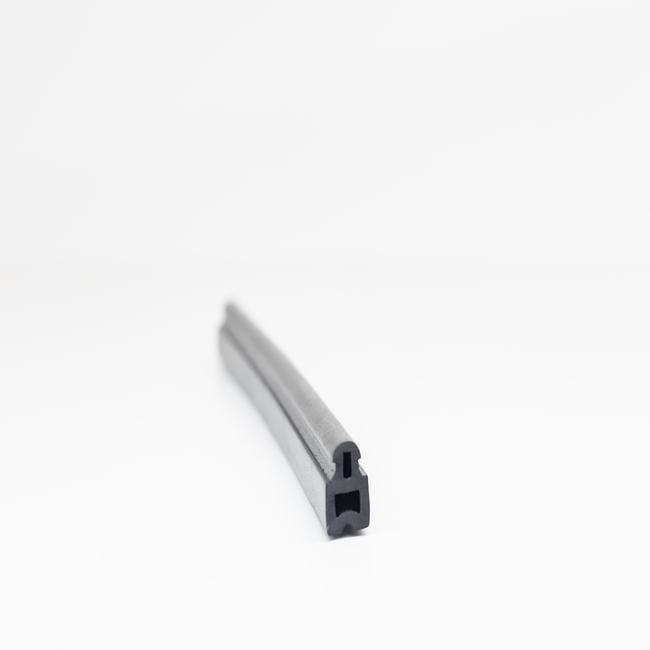

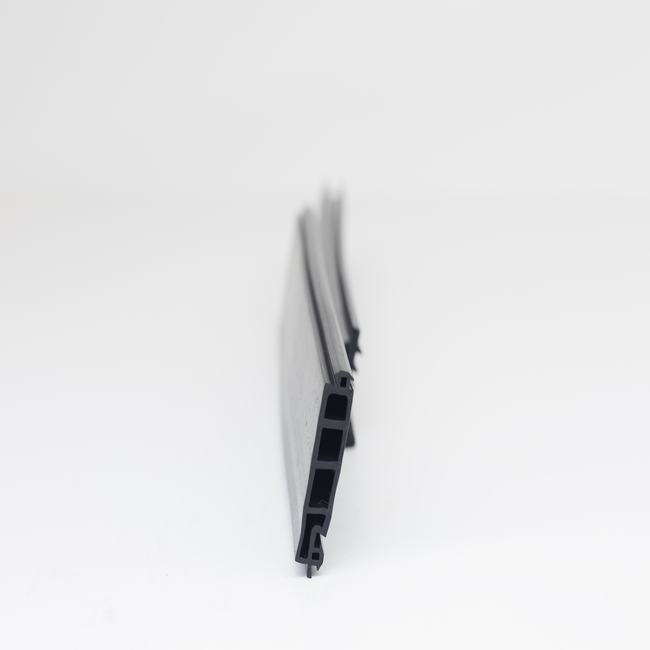
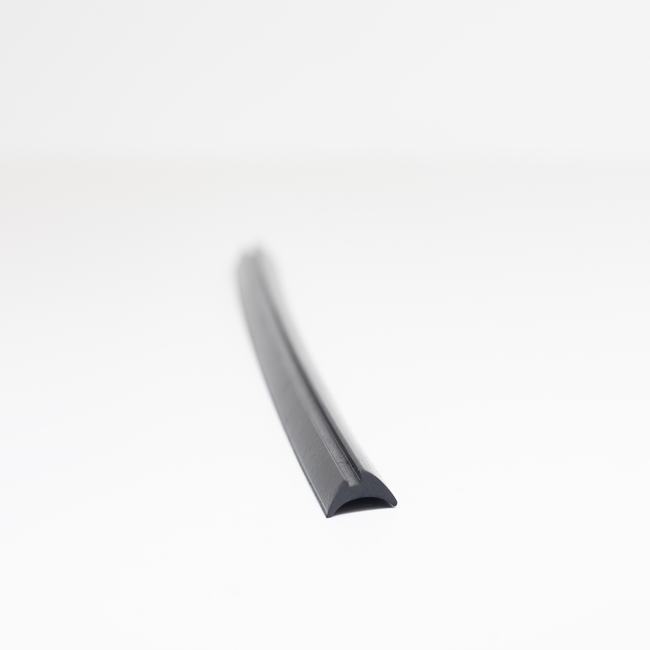
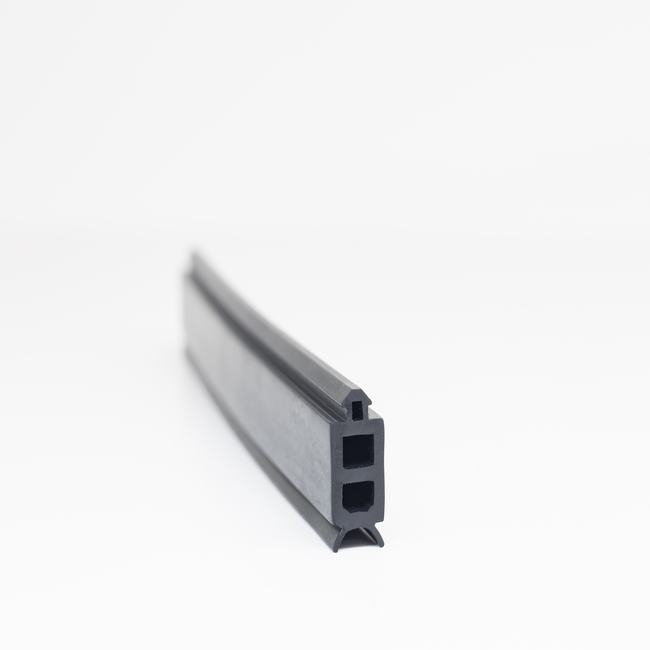
GRP pipe seals, also known as Glass Reinforced Plastic pipe seals, are essential components used in the construction and maintenance of pipelines.
GRP pipe seals, also known as Glass Reinforced Plastic pipe seals, are essential components used in the construction and maintenance of pipelines. These seals play a crucial role in ensuring the integrity and longevity of the pipelines by effectively preventing leaks, corrosion, and other potential issues. The term "GRP" refers to the composite material composed of glass fibers embedded in a matrix of thermosetting resin.
Here's a detailed description of GRP pipe seals and their key features:
-
Material Composition:
- Glass Reinforcement: The use of glass fibers imparts high tensile strength and stiffness to the composite material, making it resilient against external pressures and loads.
- Thermosetting Resin Matrix: The resin matrix, often polyester or epoxy, provides durability and chemical resistance to the GRP pipe seals. This combination ensures resistance to corrosion and degradation in various environmental conditions.
-
Sealing Mechanism:
- GRP pipe seals are designed to create a tight and secure barrier between pipe joints or connections.
- The seals may utilize compression, expansion, or a combination of both mechanisms to achieve an effective and reliable seal.
-
Corrosion Resistance:
- Due to the nature of the materials used, GRP pipe seals exhibit excellent resistance to corrosion caused by harsh chemicals, corrosive fluids, and environmental factors.
- This corrosion resistance contributes significantly to the overall longevity of the pipelines, reducing maintenance costs and ensuring a longer service life.
-
Chemical Resistance:
- GRP pipe seals are resistant to a wide range of chemicals, making them suitable for applications in industries where exposure to corrosive substances is common, such as chemical processing plants and wastewater treatment facilities.
-
Temperature Resistance:
- The composite nature of GRP allows for a high degree of temperature resistance. These seals can withstand a broad range of temperatures, making them suitable for both hot and cold fluid transportation systems.
-
Flexibility and Versatility:
- GRP pipe seals are known for their flexibility and adaptability to different pipe configurations and sizes. This versatility ensures that they can be used in various pipeline installations and construction projects.
-
Installation Ease:
- The design of GRP pipe seals often includes features that facilitate easy installation. This is crucial for minimizing downtime during pipeline construction or maintenance activities.
-
Environmental Sustainability:
- GRP is considered an environmentally friendly material as it can be recycled, contributing to sustainable practices in the construction industry.
In summary, GRP pipe seals are integral components in the construction and maintenance of pipelines, providing a durable, corrosion-resistant, and versatile solution for ensuring the integrity and longevity of fluid transportation systems across various industries.