



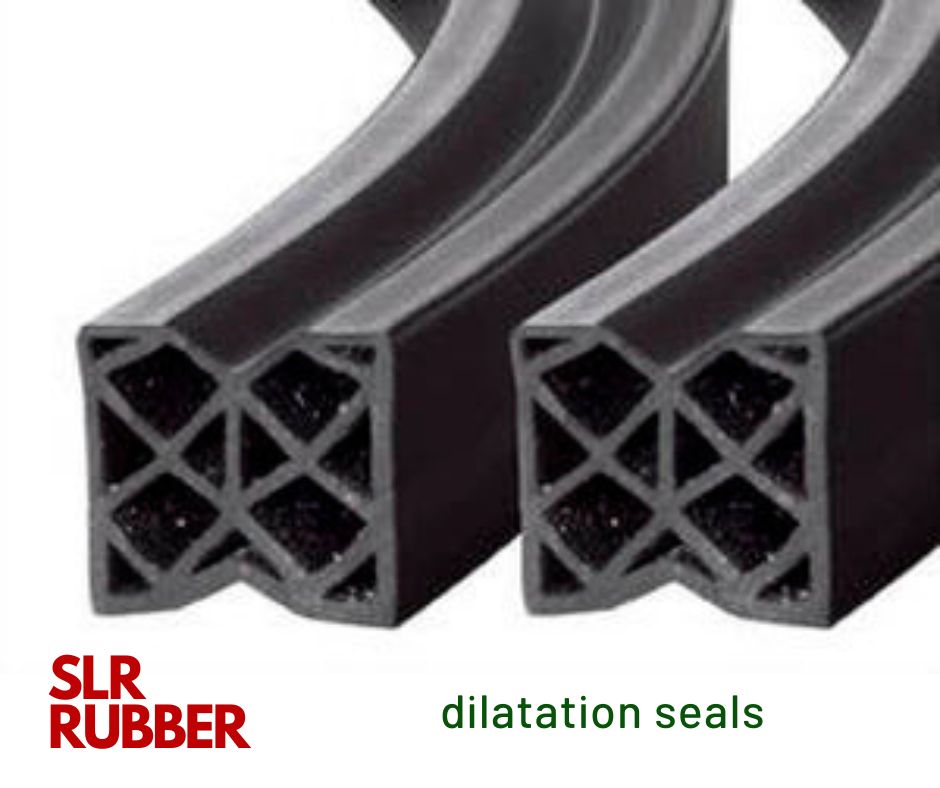
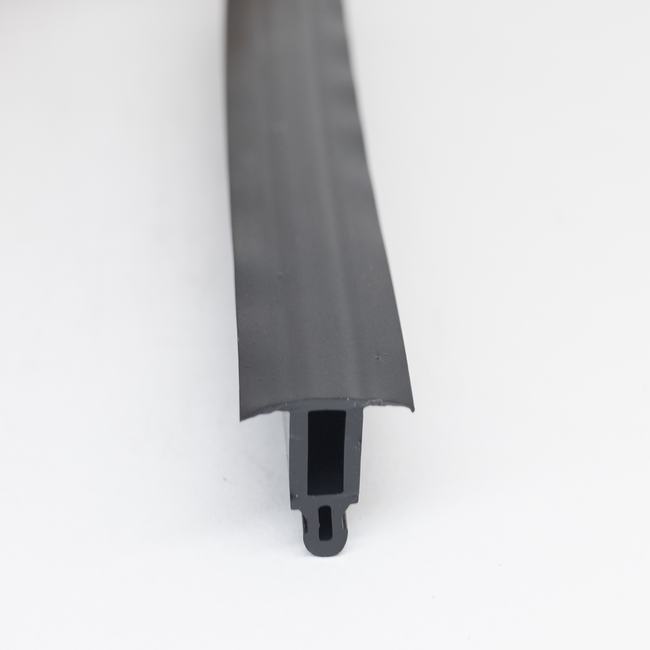

Dilation seals, also known as expansion joints or expansion seals, are critical components in various engineering and construction applications where flexibility and movement accommodation are essential.
Dilation seals, also known as expansion joints or expansion seals, are critical components in various engineering and construction applications where flexibility and movement accommodation are essential. These seals are designed to compensate for thermal expansion, contraction, vibrations, and structural settlements, preventing damage to structures and ensuring longevity.
The primary purpose of dilation seals is to bridge the gaps between adjacent structures or building components, allowing them to move independently without causing stress or structural failure. These seals are commonly used in infrastructure projects such as bridges, highways, pipelines, buildings, and industrial facilities.
Key characteristics and features of dilation seals include:
-
Material Composition:
- Dilation seals are typically made from a variety of materials, including rubber, neoprene, silicone, or other elastomers, depending on the specific application and environmental conditions.
-
Flexibility:
- These seals possess high flexibility to accommodate movements in multiple directions, including expansion, contraction, shear, and rotation.
-
Weather Resistance:
- Dilation seals are often designed to withstand harsh environmental conditions, including exposure to UV rays, extreme temperatures, and moisture, ensuring long-term durability and performance.
-
Installation Types:
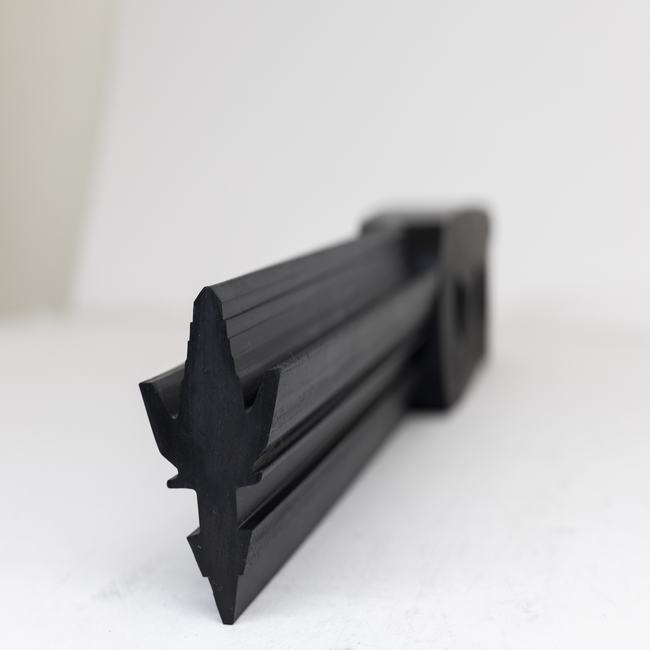
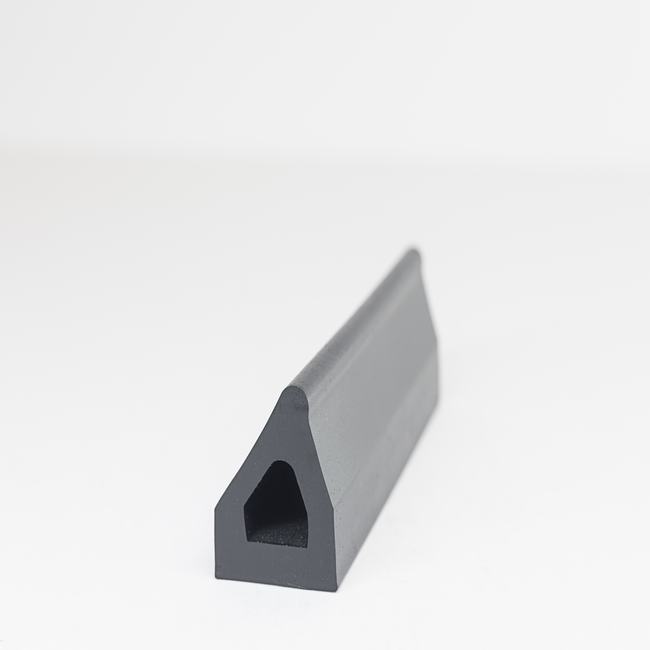
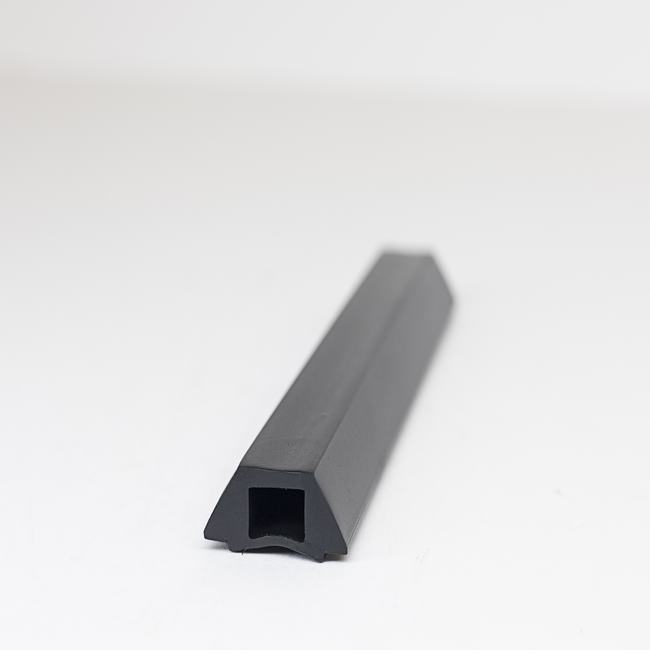
- Dilation seals come in various types, such as strip seals, compression seals, and modular expansion joints. The selection of the appropriate type depends on factors such as the magnitude of expected movement, load-bearing requirements, and the specific application.
-
Load-Bearing Capacity:
- Depending on the application, dilation seals are engineered to support specific loads, ensuring that they can bear the weight of structures and vehicles passing over them without compromising their functionality.
-
Movement Capability:
- These seals are designed to accommodate both anticipated and unexpected movements caused by factors like thermal variations, seismic activity, and settling, providing a buffer against potential damage.
-
Sealing Efficiency:
- Dilation seals maintain effective seals to prevent the infiltration of water, debris, and other contaminants. This helps in preserving the integrity of structures and minimizing maintenance requirements.
-
Construction Standards and Compliance:
- Dilation seals are manufactured in accordance with industry standards and regulations to ensure that they meet safety and performance criteria. Compliance with these standards is crucial for the reliability and effectiveness of the seals.
In conclusion, dilation seals play a pivotal role in enhancing the resilience and longevity of various structures by accommodating movements and preventing damage. The selection of the appropriate type and proper installation are crucial for ensuring the optimal performance of these seals in diverse engineering and construction applications.