



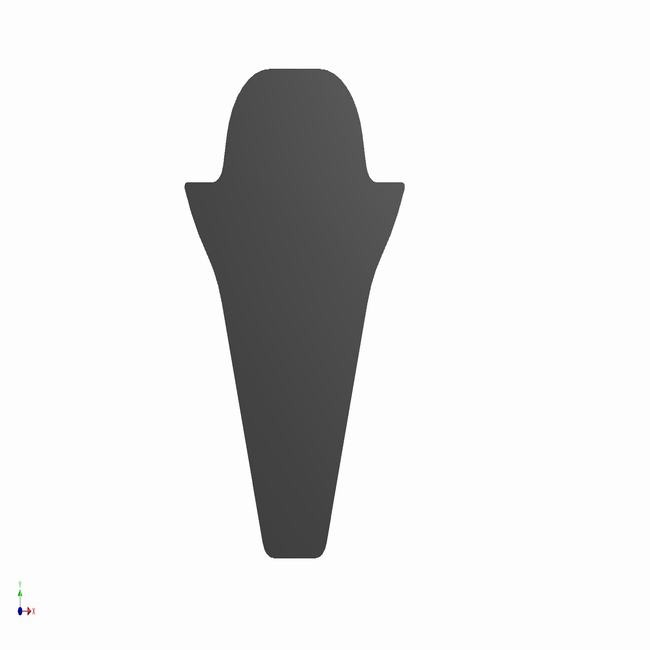
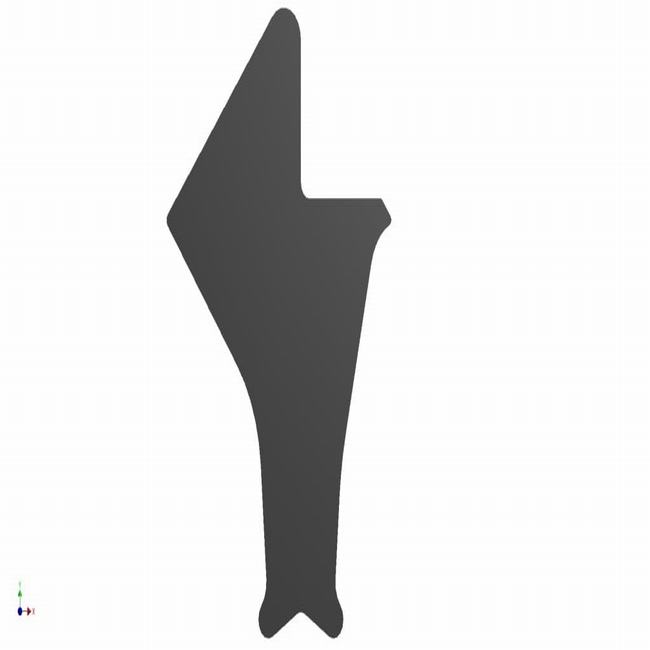
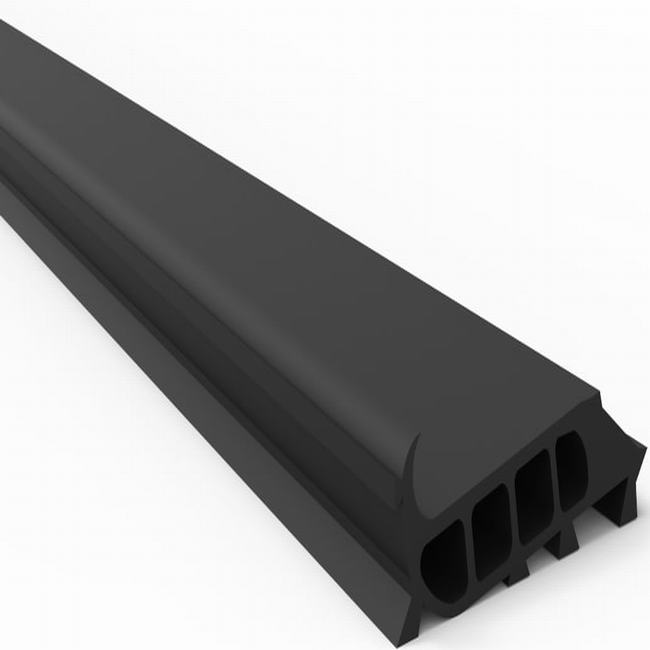
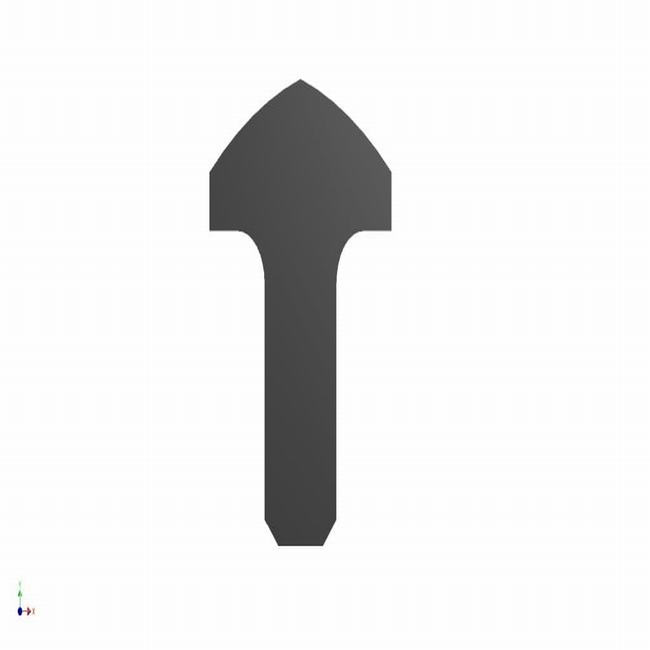
Concrete pipe seals play a crucial role in ensuring the integrity and functionality of underground drainage and sewer systems.
Concrete pipe seals play a crucial role in ensuring the integrity and functionality of underground drainage and sewer systems. These seals are designed to provide a secure and watertight connection between concrete pipes, preventing leaks and maintaining the efficiency of the overall infrastructure. The effectiveness of these seals is paramount in controlling the flow of wastewater and preventing environmental contamination.
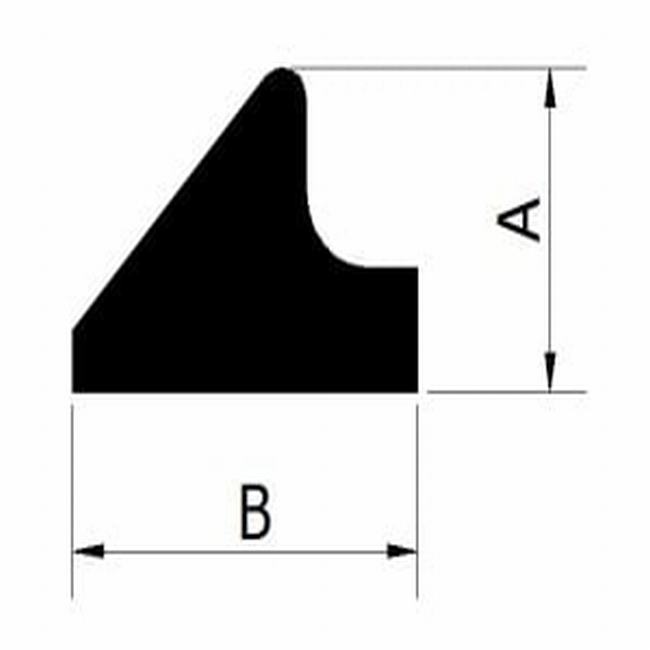
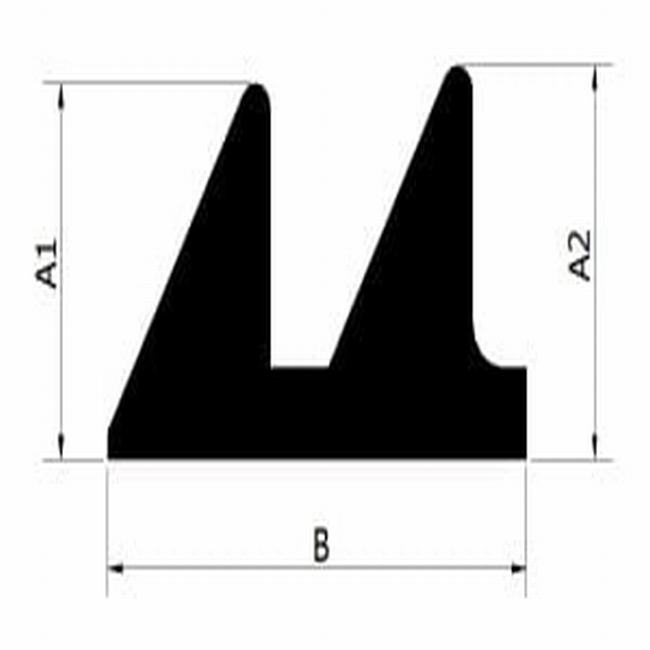
One key feature of concrete pipe seals is their adaptability to various pipe diameters and configurations. They are available in a range of sizes and designs, allowing for a customized and precise fit to accommodate different pipe dimensions. This versatility ensures that the seals can be used in a wide array of construction and infrastructure projects, from municipal sewer systems to industrial drainage applications.
The material composition of concrete pipe seals is typically a durable and resilient elastomeric compound. This material is chosen for its ability to withstand the harsh conditions of underground environments, including exposure to water, chemicals, and varying temperatures. The elastomeric properties enable the seals to maintain flexibility and compression set resistance over time, ensuring a reliable and long-lasting seal.
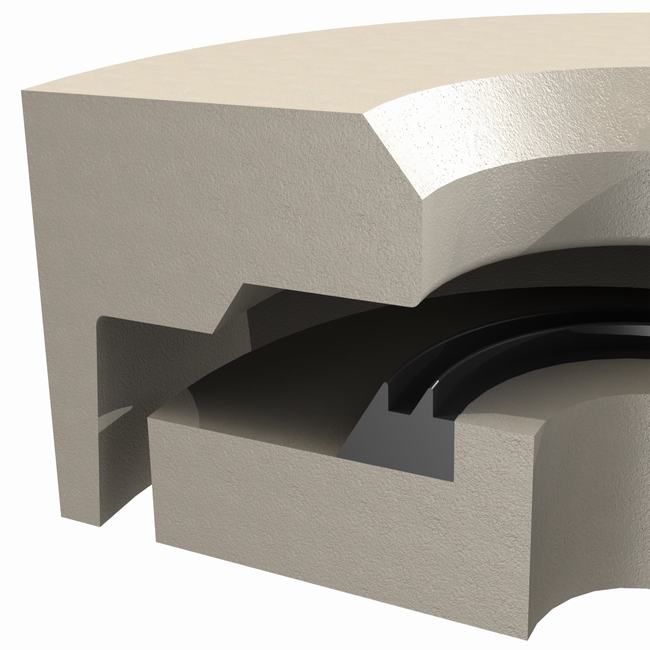
Installation of concrete pipe seals is a straightforward process, typically involving the placement of the seal within the joint between two concrete pipes. The seals are designed to accommodate joint movement, settlement, and other factors that may occur over the life of the infrastructure. Proper installation is crucial to achieving the desired watertight seal and preventing issues such as infiltration or exfiltration of water and contaminants.
In addition to their primary function of preventing leaks, concrete pipe seals also contribute to the overall structural stability of the pipeline. By effectively sealing the joints between concrete pipes, these seals help distribute external loads and protect against soil settlement and other potential sources of stress. This structural support enhances the longevity and reliability of the entire drainage or sewer system.
Maintenance considerations for concrete pipe seals are generally minimal due to their robust design and resistance to environmental factors. However, periodic inspections and assessments are recommended to identify any signs of wear, damage, or degradation. Prompt replacement of worn or damaged seals ensures the continued effectiveness of the drainage or sewer system and prevents potential issues that could arise from compromised seals.
In conclusion, concrete pipe seals are essential components in underground drainage and sewer systems, providing a reliable and watertight connection between concrete pipes. Their adaptability, durability, and contribution to structural stability make them indispensable in maintaining the integrity and functionality of infrastructure that plays a critical role in public health and environmental protection.